Uncategorized

ACTS – To the Ends of the Earth- Day 8

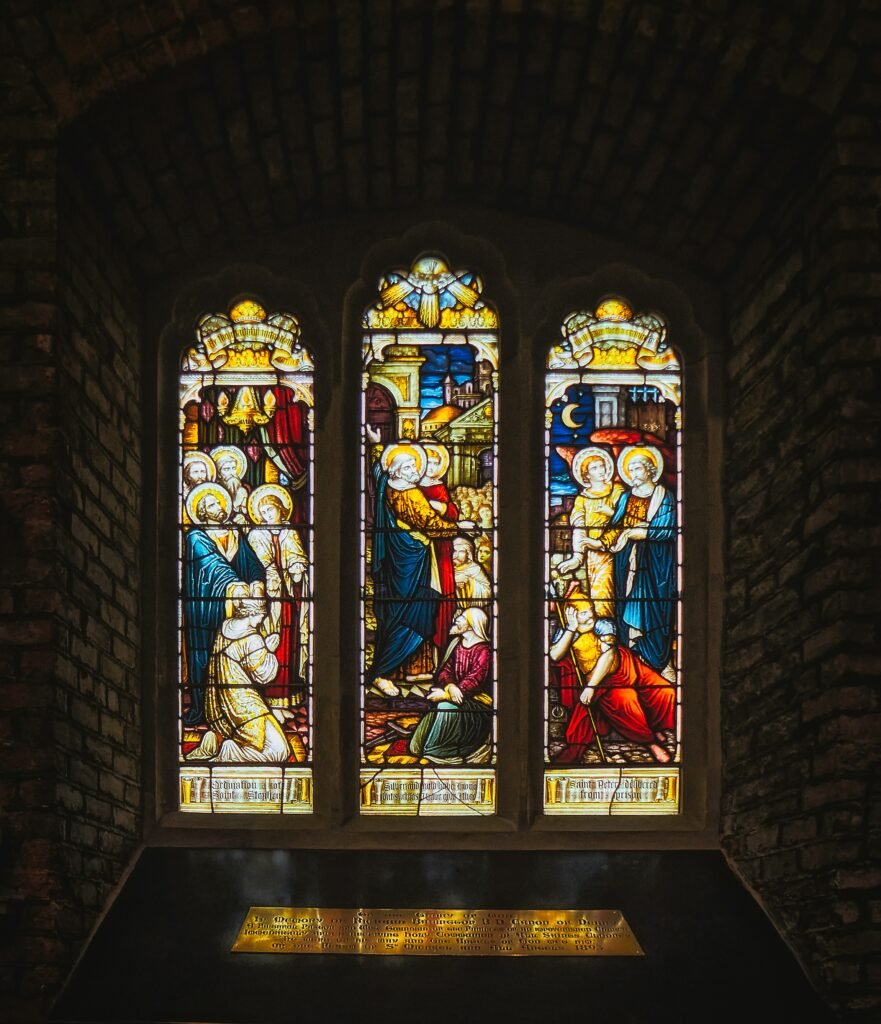
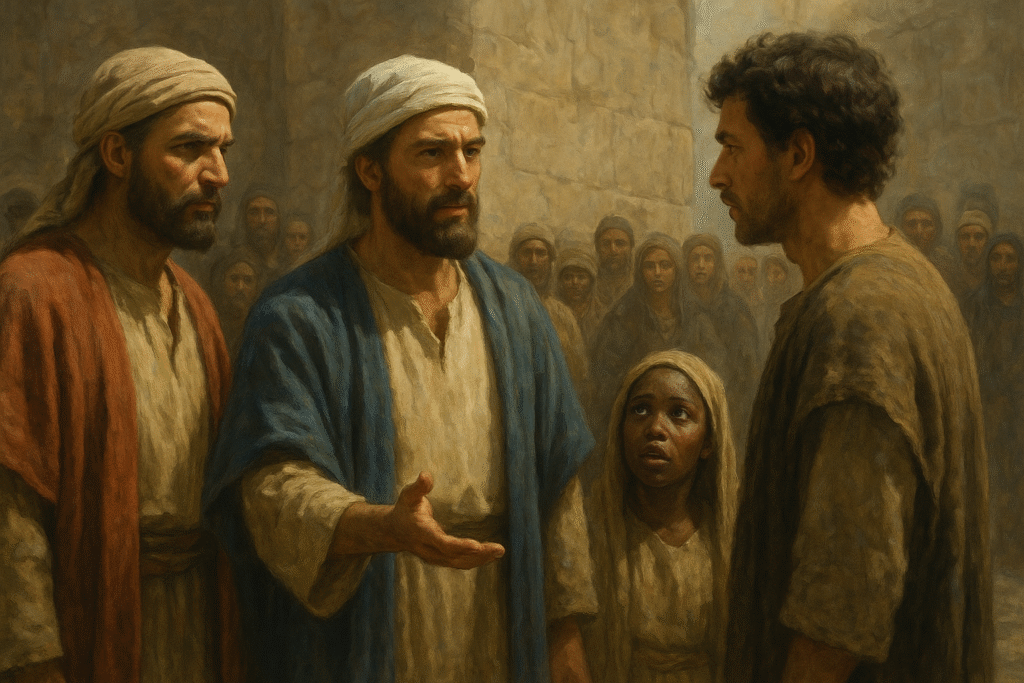
Acts 8 — Persecution, Prophecy, and the Move of God Acts 8 opens with a turning point in the life of the early church. The death of Stephen ignites a wave of persecution, and at the center of it all is a man named Saul of Tarsus — a man who believed he was defending truth but who was actually resisting it. Saul of Tarsus: The Enemy of the Church Acts 8:1–3“And Saul approved of his execution. And there arose on that day a great persecution against the church in Jerusalem… But Saul was ravaging the church, entering house after house, dragging off men and women and committing them to prison.” Saul was a highly educated, Greek-speaking Jew trained in Pharisaic tradition. He did not accept Jesus as the promised Messiah and viewed Christians as dangerous. In his zeal he hunted believers, imprisoned families, and approved the death of the faithful, including Stephen. Ironically the man who imprisoned others for Christ would later call himself a prisoner of Christ. Even in this season of chaos prophecy was being fulfilled. Jesus had said the gospel would spread from Jerusalem to Judea, Samaria, and the ends of the earth. Persecution scattered the believers, but their scattering became God’s strategy. What the enemy meant for harm became divine expansion. Philip: Ministry in Motion Acts 8:4–8“Now those who were scattered went about preaching the word. Philip went down to the city of Samaria and proclaimed to them the Christ…” As the believers fled, Philip — one of the seven appointed in Acts 6 — found himself in Samaria. Samaria was a place despised by many, a mixed people of partial Jewish and partial Gentile ancestry. They belonged nowhere and were rejected by both sides. They also had their own expectation of a Messiah, not the Christ Philip proclaimed. When Philip preached, light met darkness. John tells us, “The light shines in the darkness and the darkness has not overcome it” (John 1:5). The power of God exposed the counterfeit and brought healing. The Samaritans listened. Demons fled. The paralyzed were healed. Joy filled the city. What man despised, God embraced. The gospel broke barriers, and the outcast city became a place of revival. Simon the Magician: Confronting Counterfeit Power Acts 8:9–13; 18–24Simon had amazed the people for a long time with his magic. When Philip preached, many believed and were baptized, and even Simon believed and followed Philip. But when he saw the Spirit given through the apostles’ hands, he tried to buy that power. Peter rebuked him sharply, saying his heart was not right before God and urging him to repent and pray. Simon’s desire exposed a common temptation: to seek God’s gifts for prestige and control rather than for transformation. Philip corrected him with grace and truth. Correction here is loving and necessary. In a world where rebuke is often equated with hatred, this moment reminds us that correction can be a pathway back to honesty and healing. The Eunuch: Humility, Scripture, and Baptism Acts 8:30–39Philip ran to the Ethiopian eunuch and asked, “Do you understand what you are reading?” The eunuch confessed he could not unless someone guided him. Philip opened the Scripture and explained that Isaiah’s passage pointed to Jesus. The eunuch asked to be baptized immediately. His response shows the posture the kingdom requires: humility and childlike openness. Jesus said we must become like little children to enter the kingdom of heaven (Matthew 18:3). The eunuch’s readiness to learn, to believe, and to be baptized is an example for us all. After the baptism the Spirit carried Philip away, and the eunuch went on his way rejoicing. God had used a brief road meeting to open another door for the gospel. Throughout Acts 8 we see God reach the excluded and the broken. Scripture reminds us that the Lord is close to the brokenhearted and saves those who are crushed in spirit (Psalm 34:18). The Ethiopian, a foreigner and an outsider, came to God with an open, humble heart, and God welcomed him. Likewise Isaiah promised that the Lord would give a special place to faithful outsiders who draw near in truth. Acts 8 teaches that persecution cannot stop God. When the church was scattered, the gospel spread. Darkness met light, and light prevailed. Simon’s story reminds us that not every encounter with power is a pure encounter, but correction, repentance, and teaching restore true devotion. The Ethiopian’s story reminds us that humility opens heaven’s door. And Philip’s obedience reminds us that God still uses ordinary servants to accomplish extraordinary things. Even when life scatters us, God is strategic. The same Spirit who filled Philip moves today to reach the outcast, heal the broken, and bring the nations near. PrayerFather, thank You that Your light shines in the darkness and is not overcome (John 1:5)Thank You that You draw near to the brokenhearted and save those who are crushed in spirit (Psalm 34:18)Teach us to be humble and childlike in faith so we may enter Your kingdom (Matthew 18:3)Give us boldness like Philip, hearts open like the Ethiopian, and honesty like Peter who calls us to repentUse our lives to carry Your gospel beyond our comfort zonesTurn persecution into a pathway for Your spread and gloryIn Jesus nameAmen

ACTS – To the Ends of the Earth- Day 8 Read More »
ACTS- To the Ends of the Earth- Day 07

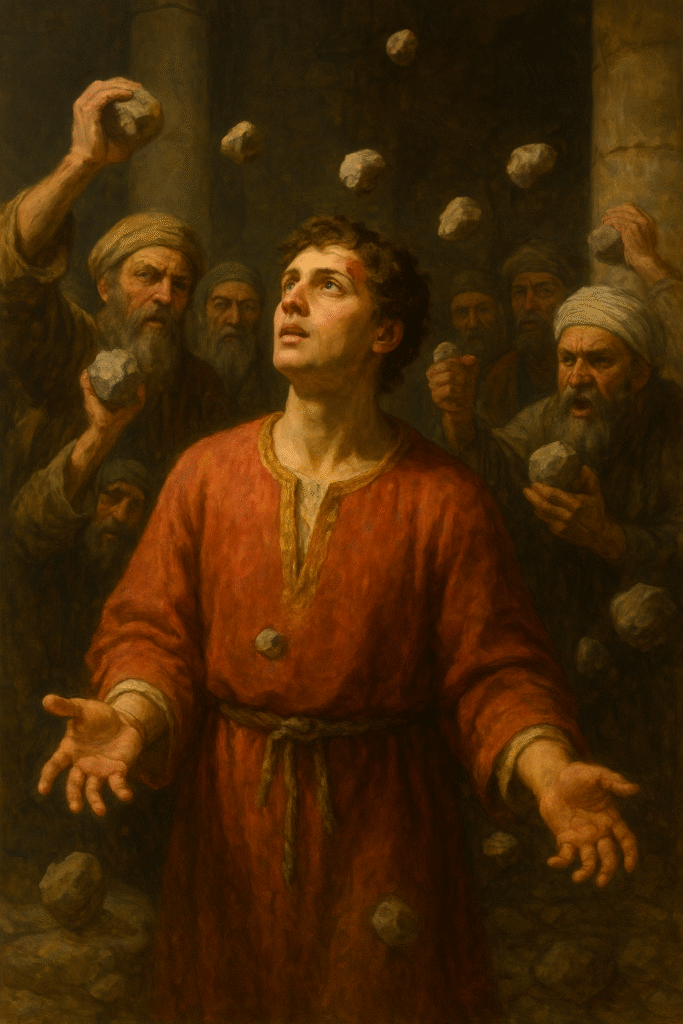
Acts 7- In Defense of the Gospel-Stephen’s Witness Acts 7 records one of the most powerful moments in the early church. Stephen, full of the Holy Spirit, stands before the Sanhedrin and delivers the longest speech in Acts. His words are not self-defense but a Spirit-filled testimony that reveals God’s faithfulness and exposes Israel’s continual resistance to His plan. Stephen’s message begins with Abraham and moves through the stories of Joseph and Moses, showing that God’s purpose has always been unfolding, even when His people misunderstood or rejected it. A Story of Faith and Promise Stephen begins with Abraham, the father of faith. God called him to leave his homeland and promised him descendants and a land of inheritance. Stephen reminds his listeners that even before Abraham’s descendants possessed the land, God’s promise was sure. He recalls the prophecy that Abraham’s offspring would live as strangers in a foreign land for four hundred years, yet God would deliver them and bring them back to worship Him. Even when fulfillment seemed far away, God remained faithful. His promises never fail, even across generations. Joseph: Rejected but Preserved Stephen then recounts the story of Joseph, who was rejected by his brothers out of jealousy but raised by God to become a redeemer for his family. “But God was with him,” Acts 7:9 says. That single line is the heart of Joseph’s story. Though betrayed and sold into slavery, Joseph was never abandoned. God’s presence with him in Egypt showed that His power is not confined to a place or a temple. His saving work reaches wherever His people are found. Joseph’s story pointed forward to Jesus—another beloved Son, rejected by His own, yet exalted for the salvation of many. Moses: The Deliverer and Type of Christ Stephen’s retelling of Moses’ life unfolds in three parts, each lasting forty years. First, Moses was born under threat but raised in Pharaoh’s palace, educated in all the wisdom of Egypt. Though trained in greatness, he was not accepted by his people when he tried to reconcile two Israelites. They rejected him, saying, “Who made you a ruler and judge over us?” Moses fled to Midian, where after forty years, God called him through the burning bush to return and deliver His people. “This Moses, whom they rejected,” Stephen says in Acts 7:35–36, “God sent as both ruler and redeemer.” In this, Moses becomes a picture of Christ. Both were chosen and sent by God. Both came to redeem their people. Both performed signs and wonders to confirm their calling. Yet both were rejected by the very ones they came to save. Stephen reminds the council that Moses himself spoke of another prophet who would come—Christ Jesus. “God will raise up for you a prophet like me from your brothers,” Acts 7:37. Stephen shows that everything in Israel’s history pointed to Christ. The Law, the prophets, the deliverers—all were shadows of the true Redeemer. Idolatry and the Heart’s Rebellion Stephen does not soften the truth. He recounts how the people, though delivered from Egypt, turned to idols in the wilderness. When Moses delayed on the mountain, they made a golden calf and worshiped it. They rejected the God who saved them and returned to the gods of their captors. Stephen quotes the prophet Amos, reminding them that their ancestors also worshiped the stars and false gods like Moloch and Rephan. Rebellion had always been the root issue. God’s people often preferred visible idols over invisible faith. The Tabernacle and the Temple Stephen then addresses the accusation that he spoke against the temple. He draws a distinction between the tabernacle, a movable tent of worship used in the wilderness, and the temple built by Solomon. The tabernacle represented God’s presence among His people, but it was never meant to contain Him. Stephen quotes Isaiah 66:1–2, “Heaven is my throne, and the earth is my footstool. What kind of house will you build for me?” God’s presence cannot be confined to stone walls or sacred buildings. Both the tabernacle and the temple were temporary symbols pointing to something greater—the indwelling of the Holy Spirit in His people. God does not dwell in structures made by hands but in hearts made new by His Spirit. The Accusation Turns Stephen’s tone shifts as he moves from history to confrontation. “You stiff-necked people, uncircumcised in heart and ears, you always resist the Holy Spirit.” (Acts 7:51) His words sound harsh, but they are Spirit-led truth. The pattern of resisting God’s messengers had not changed. Their ancestors rejected Joseph and Moses; now they had rejected the Righteous One, Jesus Christ. “Which of the prophets did your fathers not persecute?” Stephen asks. “They killed those who announced the coming of the Righteous One, whom you have now betrayed and murdered.” Stephen’s words cut deep, but they also reveal deep love and conviction. He is not speaking out of anger but out of obedience to the Spirit. Stephen’s Death and Vision of Glory When Stephen finished speaking, the crowd was enraged. They dragged him out and stoned him. Saul of Tarsus, later known as Paul, stood there consenting to his death. Yet even in death, Stephen mirrored his Savior. “Lord Jesus, receive my spirit,” he prayed. “Lord, do not hold this sin against them.” (Acts 7:59–60) And then he fell asleep. The early church described death this way, not as an end, but as rest in hope of resurrection. In his final moments, Stephen saw heaven opened and Jesus standing at the right hand of God. Not sitting—standing—as if to welcome His faithful servant home. What a picture of divine honor for a man who lived and died in truth. PrayerFather, thank You for the example of Stephen For a life lived with courage, truth, and grace Help me to remember that You are not confined to buildings or titles You dwell in hearts that love You and obey Your wordFill me with the same boldness that stood before kings and councils Teach

ACTS- To the Ends of the Earth- Day 07 Read More »

ACTS-To the Ends of the Earth- Day 6

Acts 6- The Witness Beyond Jerusalem Acts 6 marks a transition in the story of the early church. The gospel begins to move beyond Jerusalem, reaching new groups and cultures just as Jesus had promised in Acts 1:8. What started in the upper room is now spreading outward, and God is raising new leaders to carry the message further. The Growing Church and Growing Tension Acts 6:1 As the number of believers increased, so did the need for organization and care. The church was growing fast, and with that came tension between two groups of Jewish Christians. The Hellenists, who spoke Greek and were often born outside Palestine, felt their widows were being overlooked in the daily distribution of food. The Hebrews, native Jews who spoke Aramaic, likely missed this need unintentionally. Acts 6:1 Now in these days when the disciples were increasing in number, a complaint by the Hellenists arose against the Hebrews because their widows were being neglected in the daily distribution. Even in a Spirit-filled church, misunderstandings can happen. Growth always brings challenges, and unity must be guarded carefully. The issue was not neglect born of malice but of oversight. Still, the apostles took it seriously. True ministry requires attention both to the Word and to people’s needs. The Appointment of the Seven Acts 6:2–6 And the twelve summoned the full number of the disciples and said, “It is not right that we should give up preaching the word of God to serve tables. Therefore, brothers, pick out from among you seven men of good repute, full of the Spirit and of wisdom, whom we will appoint to this duty. But we will devote ourselves to prayer and to the ministry of the word.” And what they said pleased the whole gathering, and they chose Stephen, a man full of faith and of the Holy Spirit, and Philip, and Prochorus, and Nicanor, and Timon, and Parmenas, and Nicolaus, a proselyte of Antioch. These they set before the apostles, and they prayed and laid their hands on them. The apostles gathered the believers and said, It is not right that we should give up preaching the word of God to serve tables. They were not dismissing the importance of service but recognizing their primary calling. So they asked the community to choose seven men full of the Spirit and wisdom to handle the daily needs, while they devoted themselves to prayer and the ministry of the Word. The congregation chose seven men, among them Stephen and Philip, who would soon play key roles in the gospel’s expansion. The apostles prayed and laid hands on them, affirming their calling. This moment shows the beauty of shared ministry. Every believer has a role. The work of the church thrives when each part functions in unity and order. Stephen: A Man Full of Grace and Power Acts 6:8–10 And Stephen, full of grace and power, was doing great wonders and signs among the people. Then some of those who belonged to the synagogue of the Freedmen (as it was called), and of the Cyrenians, and of the Alexandrians, and of those from Cilicia and Asia, rose up and disputed with Stephen. But they could not withstand the wisdom and the Spirit with which he was speaking. Stephen was not only a servant but also a man full of grace and power. He ministered to the needy, taught the Word, and performed signs and wonders. His boldness drew the attention of certain Hellenistic Jews who opposed him. These were men from synagogues of freedmen and from regions across North Africa and Asia Minor. They debated Stephen but could not resist the wisdom and Spirit by which he spoke. Stephen’s ministry reminds us that serving tables does not limit spiritual power. God uses those who serve with humility as vessels of His truth and authority. Obedience in the small things opens doors for greater assignments. False Accusations and Divine Glory Acts 6:11–15 Then they secretly instigated men who said, “We have heard him speak blasphemous words against Moses and God.” And they stirred up the people and the elders and the scribes, and they came upon him and seized him and brought him before the council, and they set up false witnesses who said, “This man never ceases to speak words against this holy place and the law, for we have heard him say that this Jesus of Nazareth will destroy this place and will change the customs that Moses delivered to us.” And gazing at him, all who sat in the council saw that his face was like the face of an angel. Unable to defeat Stephen’s wisdom, his accusers stirred up false witnesses. They claimed he spoke against Moses and the temple, echoing the words of Jesus about destroying the temple and rebuilding it in three days. Yet Stephen’s focus was not destruction but transformation. He understood that through Christ, God’s dwelling was no longer in a building but in His people. As Stephen stood before the council, his face shone like that of an angel. The glory of God rested on him, even in the face of accusation. What a picture of peace and divine presence. God honors those who stand for truth with courage and grace.  In Finality,  Acts 6 shows us that the witness of Christ cannot be contained. From Jerusalem, the message was already spreading outward, preparing the way for the gospel to reach Samaria, Ethiopia, and beyond. The chapter also teaches us that growth in the church requires both structure and Spirit. Organization without power is lifeless, but power without structure becomes chaotic. God uses both. Stephen’s example calls us to serve faithfully, speak boldly, and reflect God’s glory even in adversity. His life reminds us that our ministry is not measured by title or position but by faithfulness and surrender to the Holy Spirit. PrayerFather, thank You for the growth and wisdom we see in Acts 6.Teach me to serve with humility and to lead with

ACTS-To the Ends of the Earth- Day 6 Read More »

Acts-To the Ends of the Earth-Day 5

Acts 5 – Behind Bars The tragic end of the couple Ananias and Sapphira brings us into the fifth chapter of Luke’s second book Acts. Before we move forward, we need to look back at the end of Acts 4. As we studied earlier, the newly formed church lived in deep community. They shared what they had, ate together and even sold possessions so they could care for one another. In Acts 4:32-37 we read: There was not a needy person among them, for as many as were owners of lands or houses sold them and brought the proceeds and laid it at the apostles’ feet and it was distributed as any had need. Joseph, called Barnabas, sold a field and brought the money and laid it at the apostles’ feet. It was not a command that everyone sell their property. It was a willing act from hearts moved by God. Yet it became common practice and even admirable. That desire to appear generous is what trapped Ananias and Sapphira. The Sin of Ananias and Sapphira Acts 5:1-10 Ananias and Sapphira sold property but secretly kept part of the profit while pretending to give all. Peter makes it clear that the issue was not withholding money. The land was theirs and the profit was theirs. The problem was the lie. They wanted the praise of sacrifice without the sincerity of it. Their deception was a visible expression of an inward heart posture. The act was performative. They attempted to deceive the people and in doing so lied to God. As Peter said they did not lie to man but to the Holy Spirit. The result was immediate judgment. Both fell dead. Their story reminds us that God is not mocked. God desires honesty purity and sincerity in worship. Giving to God is always voluntary, never forced. From the days of Cain we see that God rejects offerings given with corrupt motives. It is a hard passage to read but it serves as a correction for the church. The Lord was establishing His people and He was protecting the purity of their devotion. The Gospel Advances in Power The second half of Acts 5 shows the continued spread of the gospel and the rising persecution from the religious leaders. Acts 5:17-20The apostles were arrested out of jealousy but during the night an angel freed them and commanded them to go back to the temple and speak all the words of life. They were not set free to rest or to hide. They were freed to preach. When God delivers us, He delivers us on assignment. Freedom in Christ always carries a message. What is your message Later the guards returned to find the prison locked and guarded, but the apostles gone. Soon after, a report came that they were back in the temple preaching. God was fulfilling His word. He who gave the mission in Acts 1 walked closely with them to accomplish it. Obedience Above Man Acts 5:27-32When confronted again, Peter replied, We must obey God rather than men. He did not soften his stance. He reminded the leaders that they crucified Jesus, and declared again that Jesus has been exalted as Savior and giver of repentance and forgiveness. Peter stood firm. What he believed, he preached. What God commanded, he obeyed. No amount of pressure or threat could silence him. Gamaliel’s Counsel Acts 5:34-40A respected Pharisee named Gamaliel offered wisdom to the council. He reminded them of other movements that died when their leaders died. But this movement was not shrinking. It was multiplying. He warned them that if this work was from God, they could not stop it. If it was not from God, it would fall on its own. God used even a Pharisee in the council to protect His church. The apostles were beaten and warned again not to speak in the name of Jesus, but they left rejoicing that they were counted worthy to suffer for His name. In summary, Acts 5 gives us two strong lessons. First, God desires sincerity and holiness in His people. He is not impressed by appearances. He sees the heart and He protects the integrity of His church. Second, nothing can stop the gospel. Not persecution, not prison, not jealousy, not human authority. God works through His people and even through unlikely voices to advance His plan. When God calls, He equips. When He sends, He stands with us. Our part is obedience and boldness. His part is power and victory. PrayerFather in heavenThank You for the lessons in Acts 5Teach me to walk with sincerity and purity of heartRemove every desire for performance and spiritual appearanceFill my heart with honesty humility and devotionGive me boldness to obey You above all elseStrengthen me to stand firm in the call You have given meThank You that no power and no plan can stop what You have ordainedKeep me faithful, keep me humble, keep me boldIn Jesus nameAmen

Acts-To the Ends of the Earth-Day 5 Read More »

Acts-To the Ends of the Earth – Day 04

Acts- To the Ends of the Earth-Day 04 With All Boldness Acts 4 is easily one of my top three favorite chapters in the entire book. The boldness of the Apostles truly shines here. When faced with pressure and intimidation from the Jewish leaders, Peter and John simply refused to be silenced. Instead, they called their bluff and stood their ground. After healing the lame man at the Beautiful Gate, Peter and John were teaching to a crowd. That’s when the trouble started. Acts 4:1-4 — Audacious Preaching Sparks Opposition While Peter and John were speaking, the priests, the captain of the temple guard, and the Sadducees came to confront them. These leaders were deeply disturbed because Peter and John were teaching the people and boldly proclaiming the resurrection in Jesus. They arrested the apostles and put them in jail for the night. But here’s the beautiful twist: many who heard their message believed, and the number of believers swelled to about five thousand. For context, the temple captain was second only to the high priest. The Sadducees, who accepted only the Torah, denied the resurrection and preferred to keep their peace with Rome. Peter and John’s explosive teaching and the undeniable miracle offended their religious pride and threatened their influence. Acts 4:7-12 — Unapologetic Truth The religious leaders asked, “By what power or name did you do this?” Then Peter, filled afresh with the Holy Spirit, answered, “If we are being called to account for an act of kindness to a lame man, know this. It is by the name of Jesus Christ of Nazareth, whom you crucified but whom God raised from the dead, that this miracle happened. Jesus is the stone you builders rejected, which has become the cornerstone. Salvation is found in no one else.” Peter spoke only after the Holy Spirit filled him. His answer was clear, direct, and courageous. He told them without apology that Jesus, whom they rejected, was the source of the miracle and that there is salvation in no other name. Acts 4:13 — Ordinary People, Extraordinary Boldness When the leaders saw Peter and John’s boldness and realized they were unschooled, ordinary men, they were floored. All they could see was that these men “had been with Jesus.” That’s what made the difference. Jesus had transformed them. Today, ask yourself: Can people recognize that you have been with Jesus by the way you speak and live? Acts 4:17-22 — Choosing God Over Comfort The authorities ordered Peter and John to stop speaking and teaching in Jesus’ name. But the apostles replied, “Which is right in God’s eyes: to listen to you or to Him? You be the judge. As for us, we cannot help but speak about what we have seen and heard.” When intimidation failed, the rulers threatened them, but Peter and John chose obedience to God over human approval. Are you avoiding God’s call because you’re afraid of discomfort? Are you hiding your faith to please people instead of living the mission He’s set for you? Acts 4:23-31 — A Community That Prays Boldly Released at last, Peter and John rejoined their fellow believers and shared everything the leaders had said. What did the church do? They prayed. Their prayer was not for persecution to end but for God to grant them even more boldness. They asked, “Stretch out Your hand to heal and perform miraculous signs and wonders through the name of Your holy servant Jesus.” After they prayed, the place where they met was shaken; the Holy Spirit filled them all, and they continued to speak God’s word with courage. What a powerful model. When faced with fear, the early church did not retreat. They united, worshipped, and prayed for strength to keep proclaiming God’s truth. Acts 4 gives us a picture of believers who were not shaken by opposition or fear. They stood bold in the face of rulers, institutions and threats. They spoke truth with clarity. They refused to trade obedience to God for the approval of people. And when pressure came, their first response was prayer and unity with other believers. This is what a Spirit-filled church looks like. The same Holy Spirit who filled Peter and John fills us. The same power that made them fearless is available to us today. When we know who we have been with, and who has sent us, boldness is the only response. May the world look at us and recognize the evidence that we have been with Jesus. PrayerFather in HeavenThank You for the example of boldness we see in Acts 4Thank You for the same Holy Spirit who empowers us todayFill us again with courage to stand for Your truthGrant us boldness to speak Your word with clarity and loveHelp us to choose obedience over approval and purpose over comfortLet our lives reflect that we have been with JesusStretch out Your hand to heal and perform signs and wonders in our generationMake it undeniable that You are God and that we belong to YouStrengthen our hearts fill us with Your SpiritAnd send us out with holy fire and confidence in Your nameIn Jesus nameAmen   Lorem ipsum dolor sit amet, consectetur adipiscing elit. Ut elit tellus, luctus nec ullamcorper mattis, pulvinar dapibus leo.

Acts-To the Ends of the Earth – Day 04 Read More »

ACTS- To The Ends of the Earth- Day 2

The Coming of the Holy Spirit  Welcome to day 2 of our 30 days through the Book of Acts! Today, let’s take a trip back to Genesis 11 before diving into Acts 2. There’s a deep connection that’s really worth exploring. From Babel to Pentecost: The Ultimate Reversal Acts 2 shows us God reversing a very old curse—one that happened centuries earlier at Babel. “Now the whole earth had one language and the same words.”“As people migrated from the east, they found a plain in the land of Shinar and settled there.”“Come, let us make bricks, and burn them thoroughly.”“Come, let us build ourselves a city and a tower with its top in the heavens, and let us make a name for ourselves, lest we be dispersed over the face of the whole earth.”“And the LORD came down to see the city and the tower, which the children of man had built.”“Behold, they are one people, and they have all one language… And nothing that they propose to do will now be impossible for them. Come, let us go down and there confuse their language…”“So the LORD dispersed them from there over the face of all the earth…”“Therefore its name was called Babel, because there the LORD confused the language of all the earth.” Back at Babel, when people decided to build their tower to heaven so they could make a name for themselves, God intervened by “confusing” their language. Suddenly, they couldn’t understand one another or work together, and no unity meant their collective plans couldn’t thrive. Pentecost: Many Languages, One Spirit Now, in Acts 2, we see something amazing. On the day of Pentecost: “When the day of Pentecost arrived, they were all together in one place.”“Suddenly there came from heaven a sound like a mighty rushing wind, and it filled the entire house…”“Divided tongues as of fire appeared to them and rested on each of them.”“They were all filled with the Holy Spirit and began to speak in other tongues as the Spirit gave them utterance.”“…the multitude came together, and they were bewildered, because each one was hearing them speak in his own language.” God, through the Holy Spirit, reversed Babel’s confusion. Every individual baptized with the Spirit spoke a different language, yet each person understood in their own dialect. Imagine two people, one speaking English and another Spanish. As each speaks in their own language, the other hears it clearly in their mother tongue—no translation needed! That’s the power of the Holy Spirit at Pentecost. In Genesis, everyone had one language but lost unity through confusion. At Pentecost, many languages became one Spirit—all for the purpose of building up the Body of Christ. Babel split the people, but Pentecost united hearts, regardless of language. Peter’s Big Moment: Fulfilling Prophecy Remember Peter? The disciple who denied Jesus after the crucifixion? In Acts 2, after the Spirit’s outpouring, Peter stood boldly and addressed the crowd’s skepticism. “Men of Judea and all who dwell in Jerusalem, let this be known to you, and give ear to my words.”“These people are not drunk, as you suppose…”“This is what was uttered through the prophet Joel…”[17-18] “…I will pour out my Spirit on all flesh… your sons and your daughters shall prophesy…” Peter references Joel 2:28-32, reminding everyone they are living right in the middle of God’s fulfilled prophecy. No one is left out—young and old, men and women, Jew and Gentile—God’s Spirit is poured out on all flesh. He goes on to deliver a moving testimony about Jesus and invites everyone to repent and receive the gift of the Holy Spirit: “Repent and be baptized… and you will receive the gift of the Holy Spirit.”“The promise is for you and for your children and for all who are far off…” Peter lives out the mandate to go “to the ends of the earth,” inviting all who desire to receive the Holy Spirit and become part of God’s family. Living in Divine Community Acts 2 also describes the way early believers related to each other and to the Apostles: “They devoted themselves to the apostles’ teaching and the fellowship, to the breaking of bread and the prayers.”“Many wonders and signs were being done through the apostles.”“All who believed were together and had all things in common.”[45-47] “Day by day… attending the temple together and breaking bread in their homes, they received their food with glad and generous hearts, praising God… And the Lord added to their number day by day those who were being saved.” Honestly, at first glance, living this communal way may seem a little “different” in our modern context. If a friend said “we share all our resources and eat together every day,” we might worry! But it’s only because the blueprint of perfect community can get corrupted by human error and selfishness. Still, joy, togetherness, and generosity marked this early church. Maybe it looks different today, but the essentials remain: devote yourself to God’s work and look out for one another. Share what you can, praise God, and celebrate belonging—these are the real signs that we are His people. Prayer: Dear God, Thank for the day of Pentecost, And that to this day, we continue to experience the gift of the Holy Spirit in our livesThank you for the unity in spirit, with the churchI pray, that your Holy Spirit continue to move mightily, as in the days of the Apostles.In Jesus NameAmen.  I would love to hear from you! Leave us a comment Follow us on Socials  Join us on WhatsApp here

ACTS- To The Ends of the Earth- Day 2 Read More »

ACTS – To The Ends Of The Earth- Day 1

  By Nelia Brown The Book of Acts is such an incredible bridge in the Bible. It wraps up the time when Jesus was physically here on earth and launches us into a new season—one where the Holy Spirit leads us, even to this day! Acts feels like the sequel to Luke’s Gospel and follows the Apostles as they wrestle with a brand-new identity now that their Lord and Savior has ascended into heaven, just as He promised. The story begins in Jerusalem, the center of Jewish life, and ends in Rome, the heart of the Gentile world. Peter’s ministry to the Jews starts the journey, and it closes with Paul—once Saul of Tarsus—ministering to the Gentiles. The way Acts opens and closes is truly significant when you consider the religious and political climate of the Jews and Gentiles at that time. Acts 1:8 sums up the whole purpose of this book: to expand the global reach of the Church. In short, Acts is an accurate and vibrant record of God’s work in the early Church through the Holy Spirit—and how the Apostles carried the Gospel to the world.  Acts 1—Three Major ThemesActs Chapter 1 highlights three main themes: The Promise of the Holy Spirit and Power The Command to Stay in Jerusalem (and why) The Power of Devoted Prayer 1. The Promise of the Holy SpiritIn Acts 1:4-5 and 1:8, we see two incredible promises from God to the Apostles: “And while staying with them he ordered them not to depart from Jerusalem, but to wait for the promise of the Father, which, he said, ‘you heard from me; for John baptized with water, but you will be baptized with the Holy Spirit not many days from now’” (Acts 1:4–5). “But you will receive power when the Holy Spirit has come upon you, and you will be my witnesses in Jerusalem and in all Judea and Samaria, and to the end of the earth” (Acts 1:8). The first promise is the baptism of the Holy Spirit; the second is the promise of power. So, who is the Holy Spirit? The Holy Spirit is the third person of the Godhead—the Spirit of God who moves on earth with power and might. The promise was clear: the Apostles would be baptized with the Holy Spirit, and then, empowered to be Christ’s witnesses everywhere. It really shows that without the Holy Spirit, we can’t fully step into the work God has for us. 2. The Command to Stay in JerusalemIn Acts 1:4, Jesus instructed the Apostles to stay in Jerusalem. This happened right after He revealed Himself to them as the resurrected Lord. He spent forty days with them, teaching about the kingdom of God, and then told them not to leave Jerusalem until they received the Father’s promise. I often wonder if the Apostles understood what was coming. Did they expect another person? Was it something they could hold or see? Honestly, they probably didn’t know—but they trusted and obeyed. Why stay in Jerusalem? Well, for one, it silenced any doubts or rumors about Jesus’ resurrection. Remember, Christ was arrested, tortured, and crucified in Jerusalem—an event witnessed by thousands. So both His resurrection and the coming of the Holy Spirit had to happen there, turning the very place of His shame into a place of God’s glory. Plus, until this point, the Apostles had no real power or authority on their own. Jesus had always been with them. Now they would need to be empowered for the work ahead. Think about it: after Jesus was arrested, Peter denied Him out of fear, Thomas doubted, and many hid in fear. But something new was about to happen—a moment that would launch them into their true calling. 3. Devotion to PrayerActs 1:14 tells us: “All these with one accord were devoting themselves to prayer, together with the women and Mary the mother of Jesus, and his brothers.” The Apostles returned to Jerusalem from Mount Olivet and gathered in the upper room. While they waited—before the Pentecost, before the promise was fulfilled—they prayed together. It’s interesting that this promise required nothing from them; it wasn’t conditional. Yet, as they waited, their hearts were drawn to pray. When someone makes a promise, it doesn’t depend on what the receiver does; it’s given out of the promiser’s generosity. Still, the Apostles came together with one heart, united in prayer as they waited on God. PrayerDear Father,Thank you for the promise of the Holy Spirit and the gift of Your power. Help me to stay devoted to prayer so I can be ready and equipped for the work you have for me.In Jesus’ Name, Amen. I would love to hear from you… Leave a comment below. 

ACTS – To The Ends Of The Earth- Day 1 Read More »

Review Your Cart
0
Add Coupon Code
Subtotal